A sighting is a clue, not a complete diagnosis
A bat in an upstairs room, activity around an attic vent, and bats flying over the yard are different situations. An inspection can help establish whether bats are using the structure or were only seen nearby. A single observation does not tell you the size of a roost.
Start by describing what you actually noticed. Where was the bat? Was it indoors or outside? Has the same thing happened on more than one evening? There is no need to enter a confined attic or approach a bat to gather information.
Signs and sounds worth mentioning
Tell the specialist about repeated sightings at one roof opening, dark droppings beneath a suspected roost, or recurring faint squeaks and rustling overhead. Sounds and marks can have more than one explanation, so they should be considered together rather than used to identify bats on their own.
- The room or roof area where you first noticed activity.
- The time of day and whether the activity has repeated.
- Any existing photos taken safely from a distance.
- Whether anyone or any pet may have had contact with a bat.
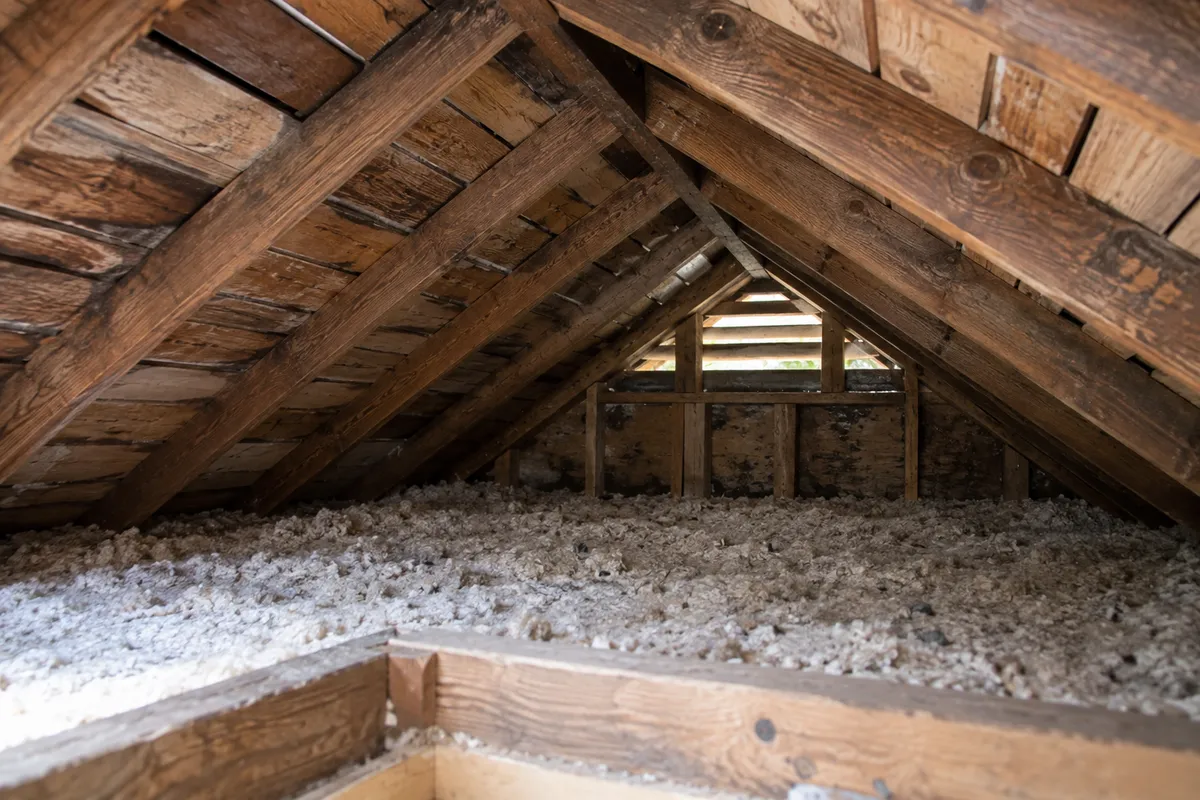
Why an attic can become a roost
Sheltered building spaces can offer bats a place to rest and raise young. That makes the timing of work part of the assessment, not an afterthought. A proposal for a suspected colony should explain how the situation will be evaluated before openings are closed.
Ask which part of the structure needs attention, whether more inspection is needed, and how the findings affect the next step. Avoid assuming that addressing the first opening you see resolves the entire problem.
Plan the next step for your Grand Rapids home
Call with your location and a short description of the attic concern. Discuss access, seasonal limitations, and the proposed scope with the specialist. Inspection, exclusion, repair, and cleanup are separate questions; ask which are relevant and available for your property.