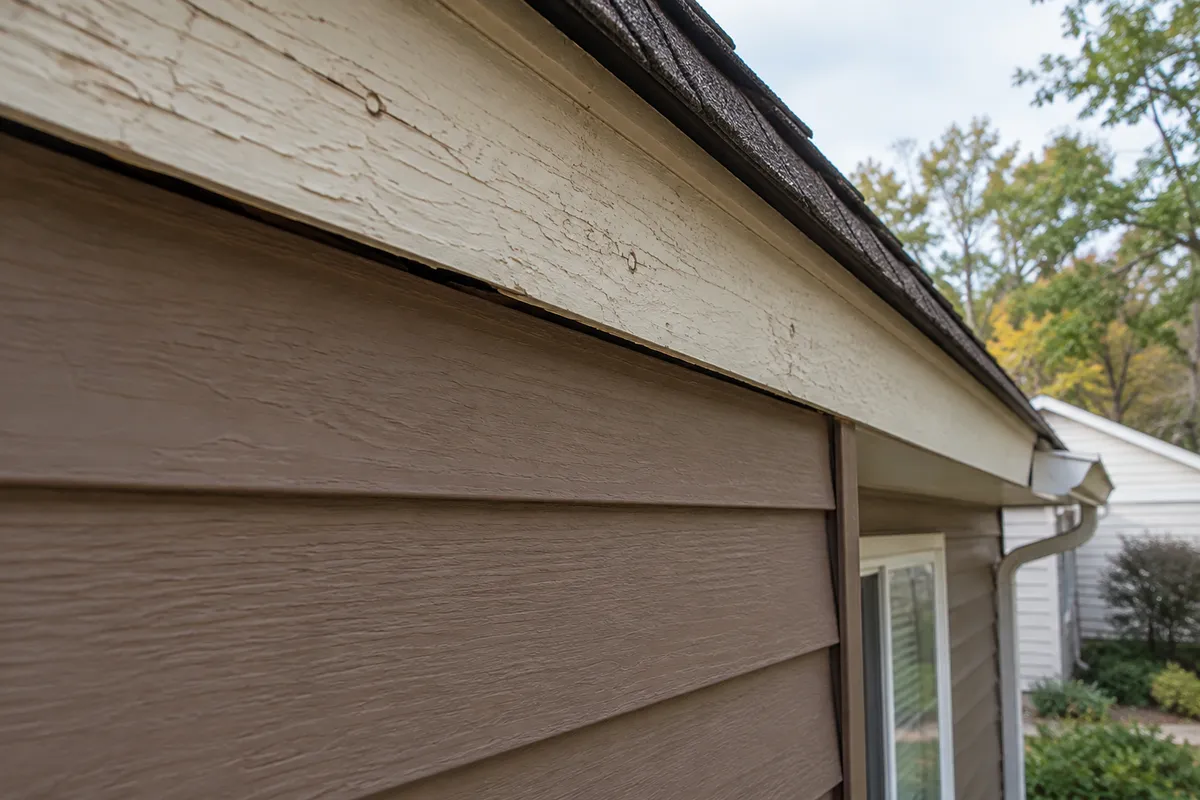
Where can bats get into a house?
Roof junctions, soffits, vents, and openings near chimneys are areas that may need inspection. An opening can be easy to overlook from the ground. Seeing a gap does not establish that it is an active bat entrance.
Describe the location in plain terms: above a bedroom window, under the eave, or beside a chimney. If you already have a photo taken safely, it may help explain the concern. Do not climb onto a roof to check.
What an entry-point assessment should clarify
Ask the specialist to distinguish an observed access point from an area that only needs further investigation. It is also useful to ask whether the visible exterior gap connects to the attic or another enclosed space.
- Is bat activity confirmed at this opening?
- Are other parts of the roofline involved?
- Does the suspected route reach an occupied room?
- What access is needed to inspect the area safely?
- How does the finding affect the exclusion plan?
Why closing a gap can be the wrong first step
An occupied opening should not be treated as an ordinary cosmetic repair. Closing access without understanding the activity can leave bats inside. The assessment should come before repair decisions.
Keep any existing building plans, repair notes, or observations available for the discussion. Let the specialist know if recent roof work changed the area where activity is occurring. That is useful context without proving the cause.
Turn observations into a clear conversation
For a Grand Rapids home, explain where you noticed activity and whether it has happened repeatedly. Ask what the next inspection step involves. If the concern includes a bat in living space, mention that at the start of the call.
For questions about someone’s contact with a bat, seek public-health or medical guidance promptly. A building inspection is not a substitute for an exposure assessment.